What to Expect During Your Pet's Annual Check-Up
A walk through the full nose-to-tail review — and how to get the most out of your visit.
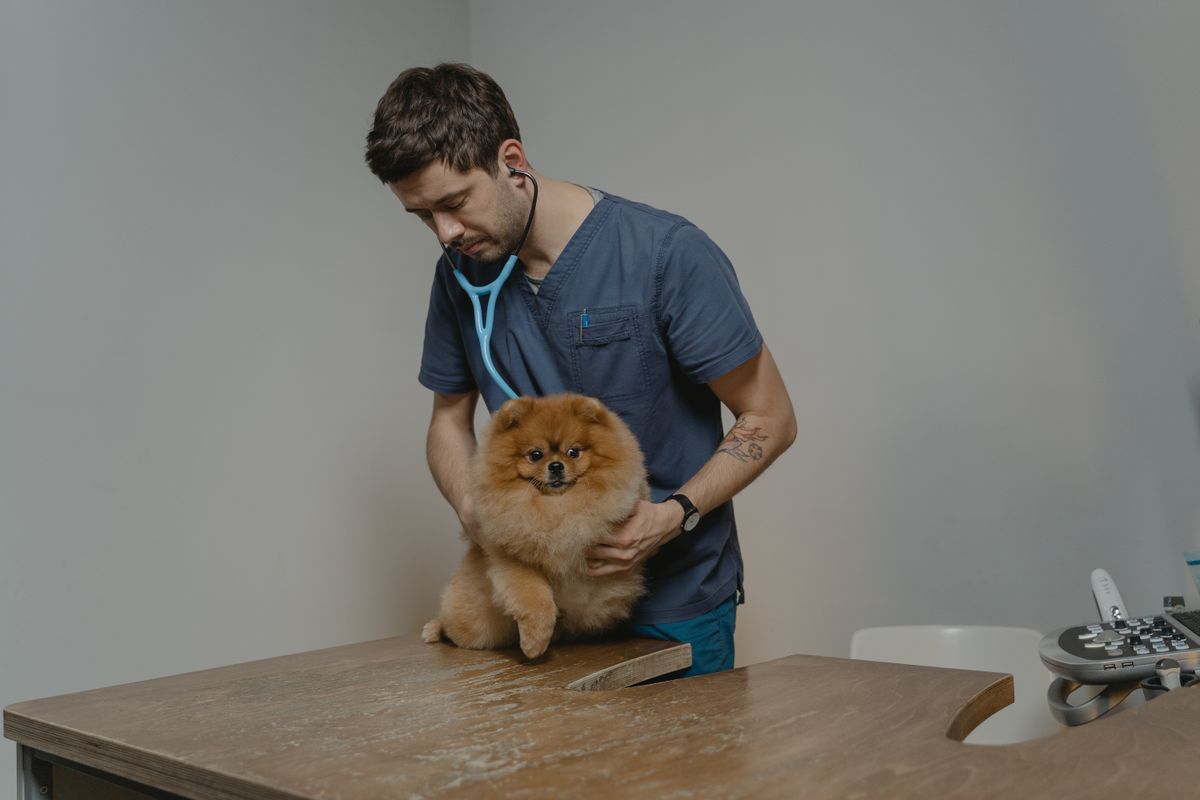
Pets age roughly seven times faster than we do, which makes a yearly check-up the equivalent of you skipping the doctor for seven years. Here's exactly what a thorough review covers — whether at your vet or at our wellness check-up table.
The Nose-to-Tail Tour
Eyes and ears first (discharge, redness, odor), then teeth and gums, lymph nodes under the jaw, heart and lungs with a stethoscope, belly palpation, skin and coat parted section by section, and finally nails, pads and joint range of motion. Weight is logged every time — slow creep is the most missed signal of all.
How to Prepare
Bring vaccine records, a list of medications and treats, and notes on anything odd: drinking more, slowing on stairs, new lumps, appetite shifts. A hungry pet (skip breakfast) makes for a cooperative exam, and a familiar blanket works wonders for nerves.
After the Visit
You should leave with three things: a clean bill or a clear finding, a plan (recheck date, referral, or home care), and written notes. File them — year-over-year comparisons are where early warnings hide. Seniors over eight graduate to twice-yearly reviews, since change accelerates with age.
Between vet years, our studio check-ups keep the record continuous. Small findings caught at the grooming table — a new lump, a red ear, a cracked tooth — have saved our clients real money and their pets real pain.