Choosing the Right Food for Your Pet's Needs
Labels, life stages and the slow-switch method — a groomer's practical guide to the food bowl.
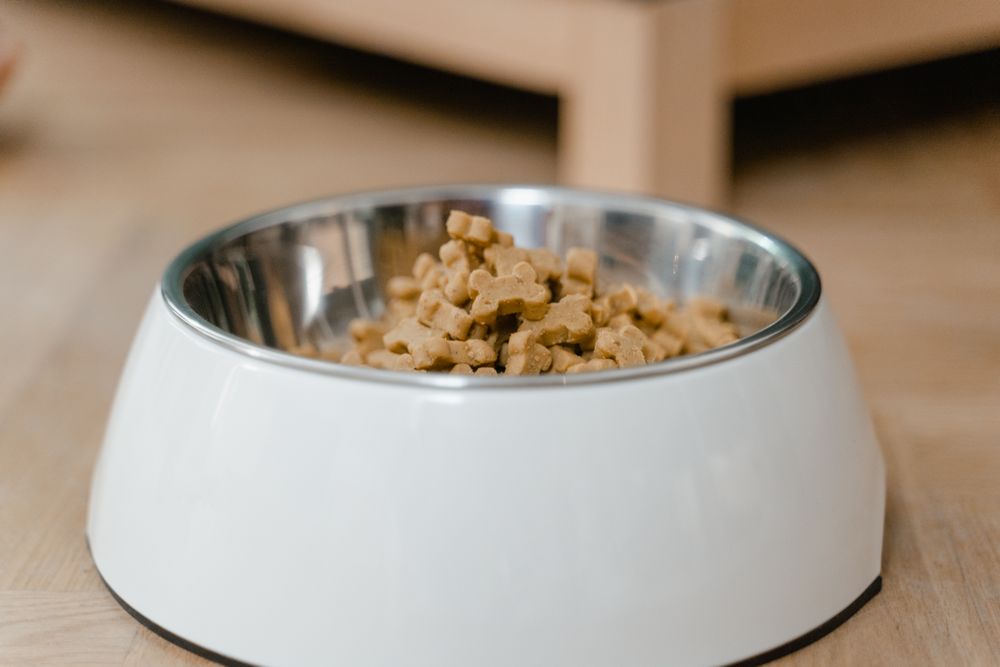
We see the results of nutrition every day on our tables: dull coats, flaky skin, brittle nails and low energy almost always trace back to the bowl. The good news is that feeding well is simpler than pet-food marketing makes it look.
Start With the Life Stage
Puppies and kittens need calorie-dense growth formulas; adults need balanced maintenance; seniors need joint support and easier-to-digest protein. An "all life stages" food is a compromise — fine in a pinch, but a stage-matched food does the job better. Big red flag: feeding adult food to a growing large-breed puppy, which can warp bone development.
Read the First Five Ingredients
Ingredients are listed by weight. Look for a named animal protein (chicken, salmon, lamb — not "meat meal") in the first two spots, a whole grain or legume for energy, and named fats like chicken fat or fish oil. Vague terms, added sugars and a rainbow of artificial colors are signs to keep shopping.
Treats Count as Dinner
Treats should stay under 10% of daily calories — for a small dog that's barely a biscuit or two. Training with kibble from the measured daily portion keeps the math honest, and table scraps (especially onion, garlic, grapes and xylitol) stay off-limits entirely.
Switch Foods Slowly
Mix 25% new food with 75% old for three days, then 50/50, then 75/25, watching stools the whole way. Rushing the switch is the number-one cause of the "new food upset stomach" owners blame on the brand.
Still unsure? Bring your current food bag to your next wellness check-up and we'll review the label with you — free, no judgment, even if it's supermarket kibble.